Website preview · British Private Prep School
Previewing at
British Private Prep Schools
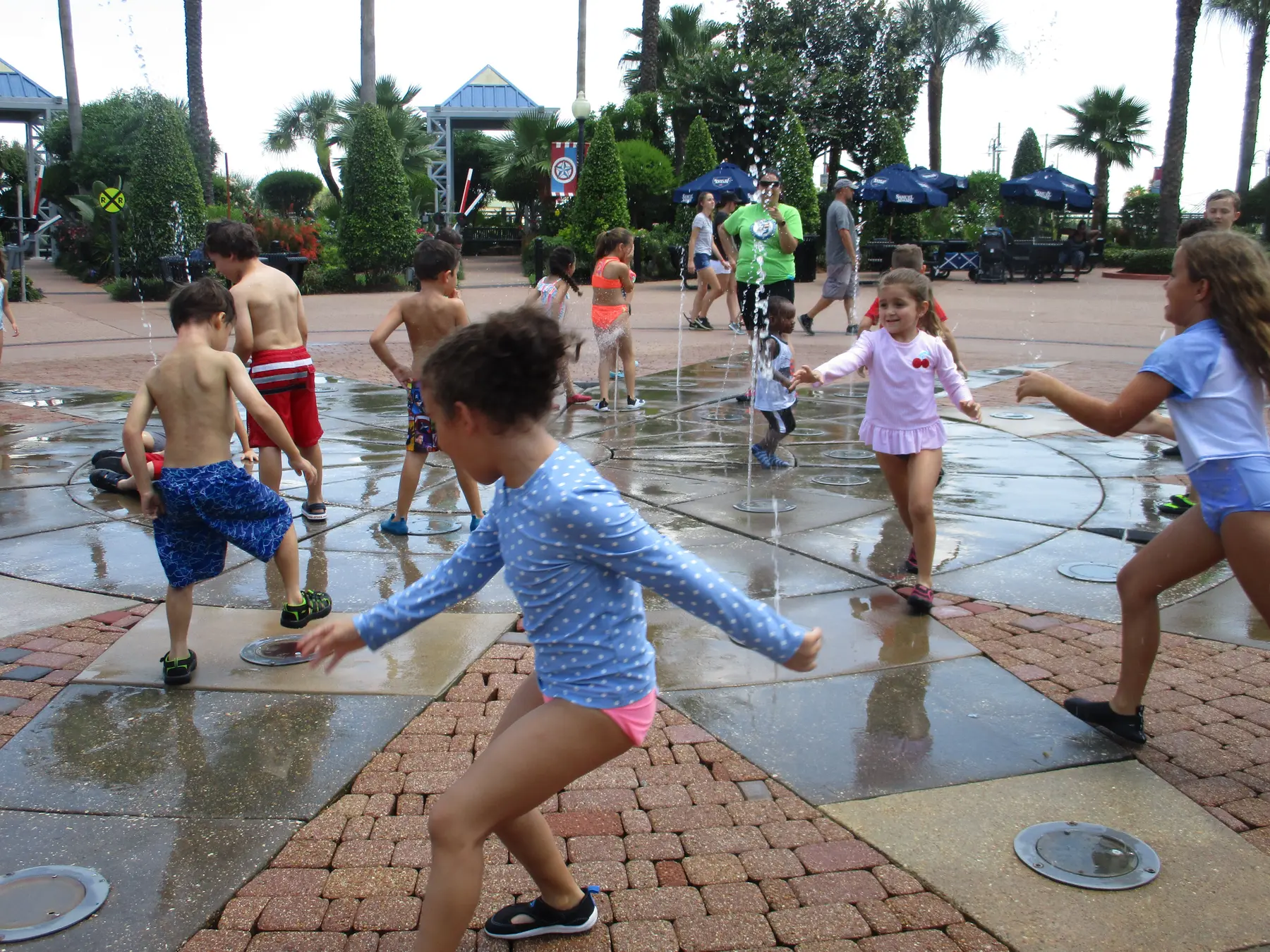
Children in swimwear run and play among water jets shooting from a paved splash pad while adults stand nearby.

Classroom.

What children do in our classrooms, and how the rooms are set up.

Classroom

Language Arts

Children share books, tell stories, sing songs, and name objects. Painting, drawing, and picking up small items build hand muscles and coordination for writing. We introduce letters, word families, blends, color words, and sight words. This combination guides children to sound out words.
Science & Social Studies

Doing science is a natural part of early learning. Children's curiosity about the natural world drives their work and play. With guidance, that curiosity becomes inquiry into basic phenomena and materials. Science also builds skills in working together, motor control, language, and early math.

Early Mathematics

Children compare quantities, find patterns, and navigate in space. They solve real problems like balancing a tall block tower or sharing counters fairly. Number sense—counting forward and backward—is the first math skill we develop. These basics set the foundation for all later math.

Learning through Play

Play meets children's physical, intellectual, language, emotional, and social needs. Through dramatic play, blocks, water play, puzzles, and games, children learn naturally. They explore roles, learn how things work, and practice communicating. Small-group play helps them develop social skills and make friends.

Music & Movement

Children feel music physically and emotionally. They learn that movement can communicate messages and actions. Singing or chanting smooths transitions like gathering for circle time. Quiet music calms; lively tunes energize clean-up. Movement games let children solve problems with their bodies before they use words.

Art & Sensory

Sensory play stimulates touch, smell, taste, sight, and hearing. Sensory tables encourage children to investigate and explore. Creating art builds fine motor skills as children use a paintbrush. Counting pieces and colors teaches early math. When children experiment and make mistakes, they build confidence to invent new ways of thinking.

What this looks like in practice

In a typical classroom, children move between whole-class activities, adult-led focused activities, and child-initiated play. You might see a small group building with blocks, another painting at the easel, and a teacher reading with two children on the rug. Materials are reachable and set out to invite choosing. Routines like circle time and clean-up are sung or chanted to make transitions smoother.

The first five years of exploring books, singing rhymes, listening to stories, and scribbling are the building blocks for reading and writing. At home, you might notice your child turning pages carefully, recognizing their name, or sounding out a word on a sign. These small moments show hand muscles and coordination growing. They are the practical signs that early literacy is taking hold.

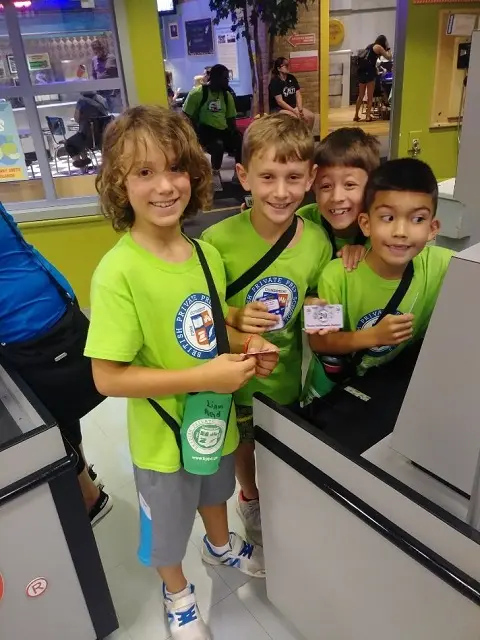
Four children in matching green shirts stand together holding small cards in an indoor play area with a play structure behind them.
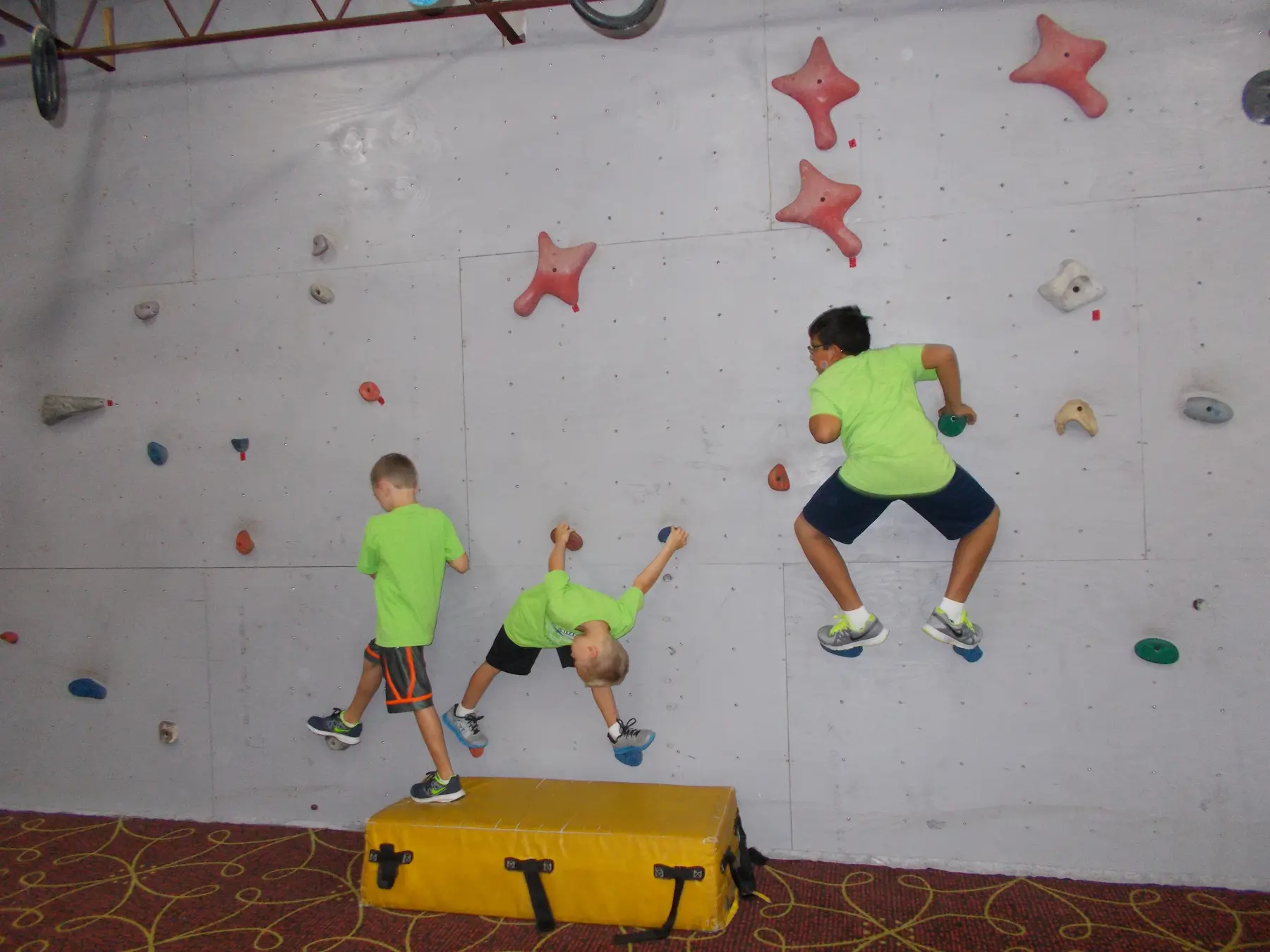
Three children in matching green shirts climb a white indoor climbing wall with colorful holds above a yellow mat on a patterned floor.

Questions? Ask us

BP
Hi! I'm British
How can I help you today?
BP
British Private Prep School Assistant
Ask about tours, programs, and enrollment.
Hi! I can help with British Private Prep School questions.
Powered by EnrollIQ